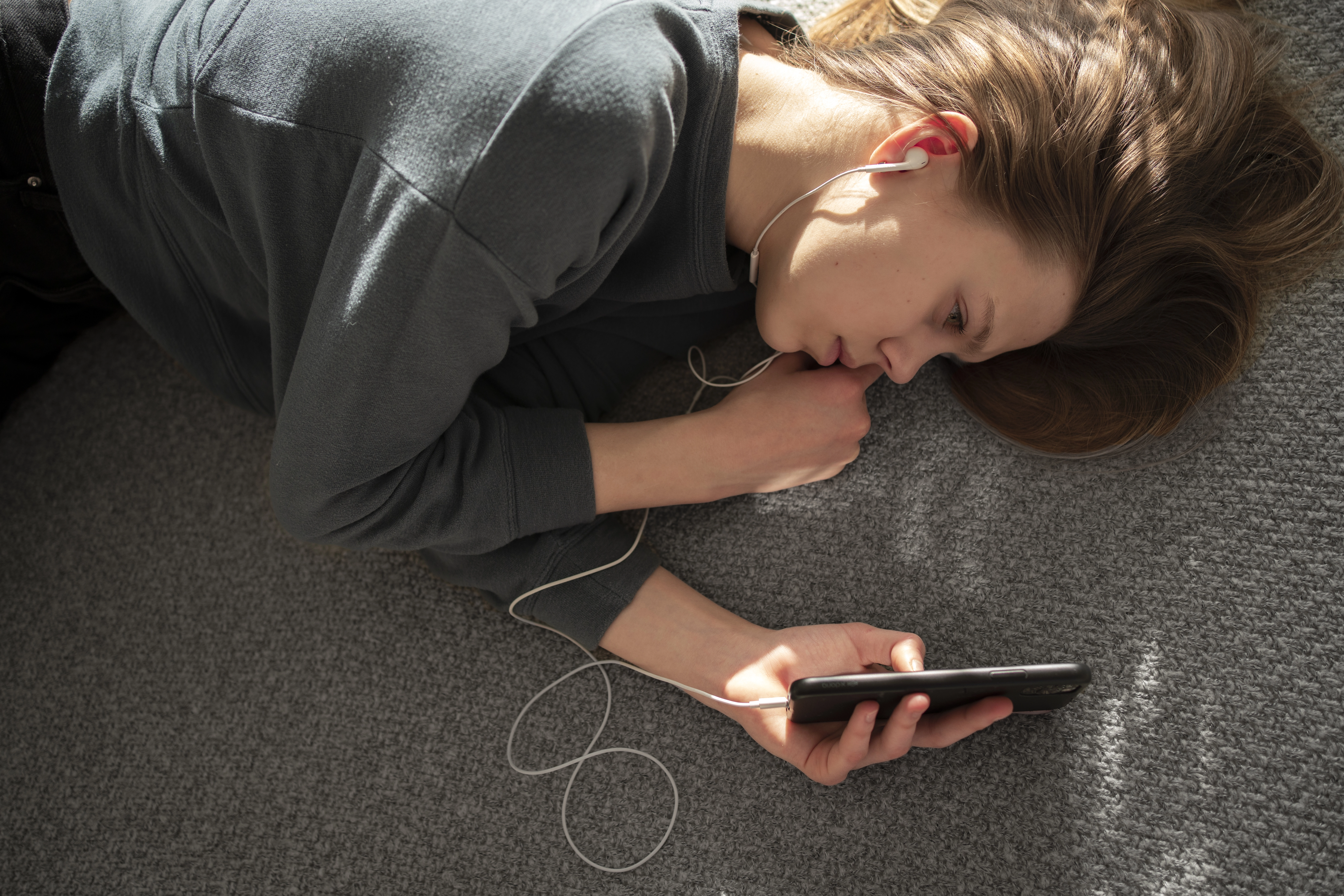
You scroll to relax. Just five minutes, you tell yourself. Those five minutes turn into thirty. You finally lock your phone, but you don't feel rested. You feel heavier, more drained, and somehow more anxious than before.
I see this pattern everywhere. We’ve been conditioned to think that "low-effort input" equals "rest." It’s a lie. In the modern world, we’ve forgotten what true silence feels like. We’ve replaced the restorative power of a quiet mind with a constant, jagged stream of digital noise. You aren't resting; you're just numbing the fatigue while simultaneously increasing the load.
The Reward Trap: Why It Feels Like Rest
Scrolling feels addictive because it exploits the brain's variable reward system. Your brain doesn't know what the next post will be—a funny cat, a political outrage, or a beautiful sunset. This unpredictability keeps your dopamine system firing.
Research Note (The Ventral Striatum): Recent neuroimaging studies (Cureus/PMC, 2024/2025) show that social media scrolling overstimulates the ventral striatum—the same area involved in gambling and substance addiction. While you think you're "chilling," your brain's reward center is working at peak capacity, creating a "Modern Day High" that leaves you depleted once the screen goes dark.
The Death of the "Daydream"
Real rest requires your brain to enter the Default Mode Network (DMN). This is where your mind wanders, integrates memories, and solves problems in the background. Scrolling effectively "kills" the DMN. You are so busy reacting to external stimuli that your internal processing comes to a screeching halt.
When you take a walk without your phone, your brain starts a "cleanup" process. When you walk while scrolling, that process never starts. You are essentially carrying your office, your social anxieties, and the world's tragedies in your pocket during your "break."
Science Note (Sharp-Wave Ripples): Research from Harvard/ScienceDaily (2024) identifies "sharp-wave ripples" in the hippocampus as the signature of true mental integration. These ripples happen during quiet waking moments—daydreaming. Scrolling suppresses these ripples, meaning you aren't just tired; you are literally preventing your brain from forming deep memories and insights.
What Your Brain Actually Needs
1. The "Zero-Input" Protocol
Rest is the absence of input. Try 10 minutes of "staring at a wall" or sitting on a porch without a device. It will feel agonizing at first—that's your dopamine system detoxing. Stick with it. This is where the real recharge happens.
2. Sensory Re-engagement
Scrolling is a 2D experience. Your brain needs 3D. Engage your other senses: the smell of coffee, the texture of a physical book, the sound of the wind. This shifts activity from the overstimulated visual cortices back to a balanced state.
3. Intentional Transitions
Never scroll as a transition between tasks. If you just finished a meeting, sit in silence for 2 minutes before starting the next thing. Don't fill the gap with "digital junk food."
Internal links
If you're ready to break the cycle of digital exhaustion, these guides are your roadmap:
- Why Your Mind Feels Tired Even When You Rest
- Digital Overwhelm: How Too Much Information Drains the Brain
- Why You Can’t Focus Anymore
The Systemic Cost
This is the hidden tax of the digital age. By replacing rest with scrolling, we are losing our ability to reflect. We are becoming more reactive and less creative. The "brain rot" people talk about isn't a myth; it's the result of a nervous system that is permanently stuck in "input mode," never allowed to process the vast amount of data it has already consumed.
Expectation
Giving up scrolling-as-rest will make you feel bored. Embrace the boredom. Boredom is the gateway to creativity and deep recovery. After about a week of "real" rest, you'll notice a strange feeling: mental space. You'll start having original thoughts again.
Conclusion
Scrolling is a mortgage on your future energy. It gives you a tiny hit of pleasure now in exchange for a massive crash later. Stop paying the interest. Put the phone down, look at the world, and let your brain do the one thing it’s been begging for: nothing.
I’m building MindWaves to be the silence in the noise. No ads, no algorithms, just deep clarity.
If this article helped you put your phone down for a few minutes, consider supporting the project ☕

— Jericho.