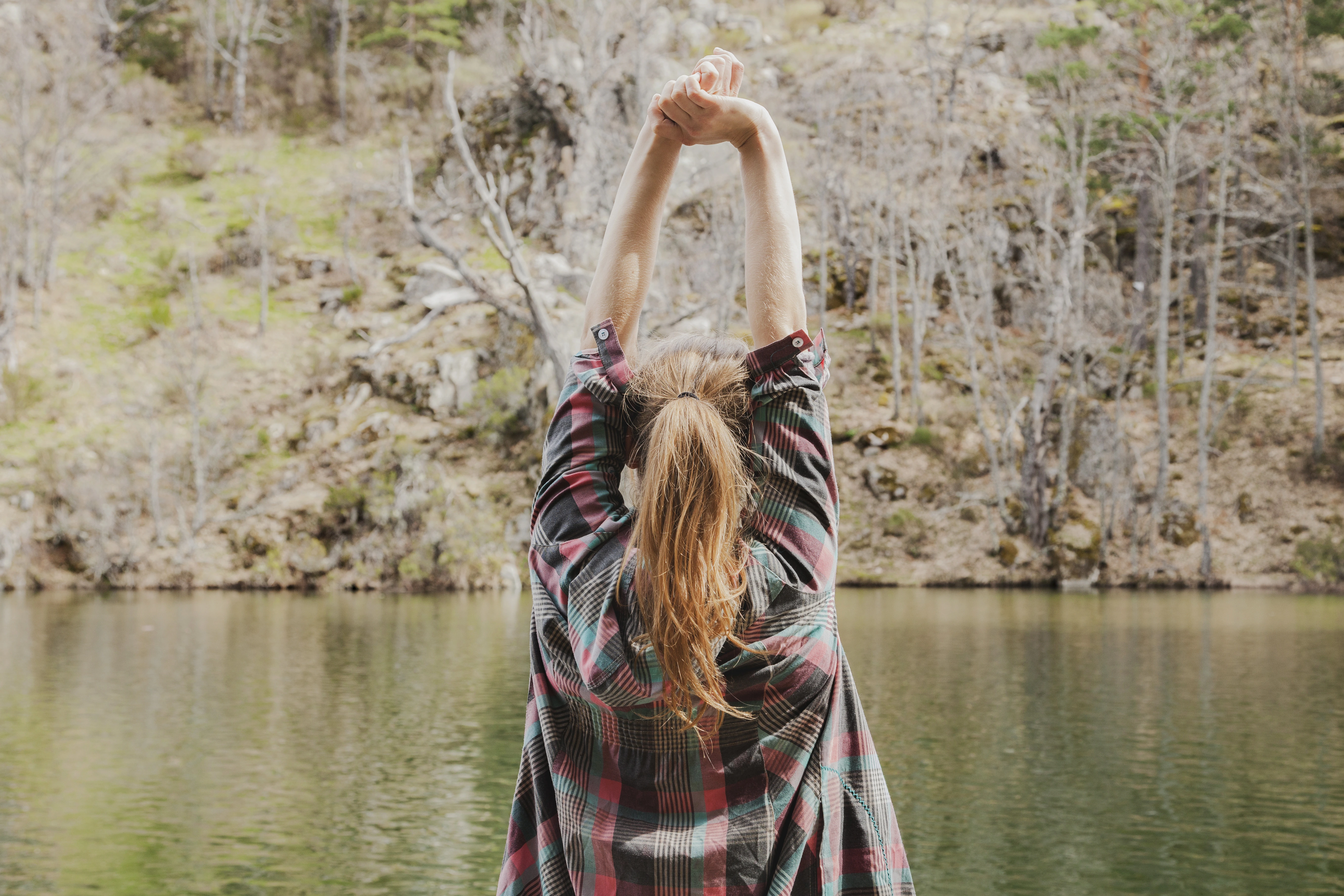
While meditation is the most famous tool for stress relief, it doesn't work for everyone. If sitting still makes you anxious, you're not alone—and there are other ways to find your calm.
The Relaxation Response: Beyond the Lotus Position
Stress was never meant to be a 24/7 experience. Your body is designed to return to a "rest-and-digest" mode after a threat has passed. The good news? You can trigger this parasympathetic response intentionally without ever sitting in silence.
Research Note: Harvard Medical School research confirms that you can invoke the "relaxation response"—a state opposite to fight-or-flight—through various non-meditative techniques developed by Dr. Herbert Benson.
🌊 Physical Shortcuts to Calm
1. Progressive Muscle Relaxation (PMR)
This technique targets physical tension to signal your brain that it's safe. You systematically tense and then release specific muscle groups—starting from your toes and moving up to your face.
Science Note: A 2021 study found that PMR significantly reduces cortisol levels and helps with chronic anxiety. The "release" phase is the key—it forces your nervous system to drop its guard.
2. The 4-7-8 Breathing Technique
Popularized by Dr. Andrew Weil, this isn't "meditation"—it's a physiological hack. Inhale (4s) → Hold (7s) → Exhale (8s). Running through this 3–4 times signals your vagus nerve to slow your heart rate immediately.
3. High-Intensity Interval Training (HIIT)
Sometimes the best way to quiet the mind is to exhaust the body. A 20-minute burst of intense exercise releases a massive dose of endorphins—the body's natural painkillers and mood-lifters.
🌲 Nature: The Original Stress Reliever
Spending time in nature isn't just "nice"—it's biological medicine.
- The Tree Factor: Research shows that having just 10 or more trees on a city block significantly increases residents' health perception.
- Nature Walks: A 2022 meta-analysis confirmed that nature walks are one of the most effective interventions for reducing anxiety symptoms.
🎨 Creative Flow vs. "Mindlessness"
Engaging in a creative task—coloring, painting, or even reorganizing a shelf—forces your brain to focus on a single, tangible goal. This "flow state" reduces activity in the amygdala (the brain's fear center), effectively silencing the mental chatter.
Internal links
If you're looking for more ways to manage your mental energy, these guides are for you:
- How Breathing Affects Your Brain: The Science Behind 5-Minute Practices
- Why Your Mind Feels Tired Even When You Rest
- Your Mental Health Toolkit: Apps, Chatbots & Digital Support
The Bottom Line
Mental calm is a destination, and there are many paths to get there. You don't need to be "good at meditation" to have a peaceful mind. Whether you move, breathe, create, or walk in the woods—find the tool that fits your life, not the other way around.
MindWaves is a project dedicated to mental clarity without the fluff. No ads, just science.
If this guide helped you find a new way to relax, consider supporting the project ☕

— Jericho.