In our fast-paced world, mental fatigue has become so normalized that many of us ignore the warning signs until burnout becomes unavoidable.
Mental Fatigue vs. Physical Tiredness
Unlike physical exhaustion that can be resolved with a good night's sleep, mental exhaustion lingers. It’s your brain’s way of signaling that its cognitive and emotional resources are depleted.
Research Note: A 2025 study by Talker Research found that one-quarter of Americans are burnt out before they reach age 30, with burnout peaking at just 25 years old.
The Three Dimensions of Burnout
Burnout isn't just "feeling tired." According to the Maslach Burnout Inventory, it consists of three interconnected dimensions:
- Emotional Exhaustion: Feeling completely drained and lacking control over your circumstances.
- Cynicism & Detachment: Treating work or people with less empathy and developing a "callous" attitude as a defense mechanism.
- Reduced Efficacy: Feeling incompetent and questioning your own professional or personal value.
🚩 Warning Signs You Shouldn't Ignore
1. "Brain Fog" and Cognitive Decline
If you find yourself staring at a screen for 20 minutes without processing a single sentence, or if simple decisions feel overwhelming—that's a major red flag. Mental fatigue impairs your visual and frontal cortices, making it harder to focus or catch mistakes.
2. Emotional Dysregulation
Are you becoming increasingly irritable? Snapping at loved ones or feeling a persistent sense of dread? When the mind is tired, it loses its ability to regulate emotions, leading to frequent mood swings and heightened anxiety.
3. Physical Echoes
The mind-body connection is real. Chronic mental fatigue often manifests as:
- Unexplained headaches and muscle tension.
- Digestive issues (stomach pain, nausea).
- Weakened immunity (catching every cold that goes around).
4. Social Withdrawal
As exhaustion deepens, you might find yourself avoiding friends and family. This "task aversion" extends to your social life, creating a dangerous cycle of isolation.
How to Start the Recovery
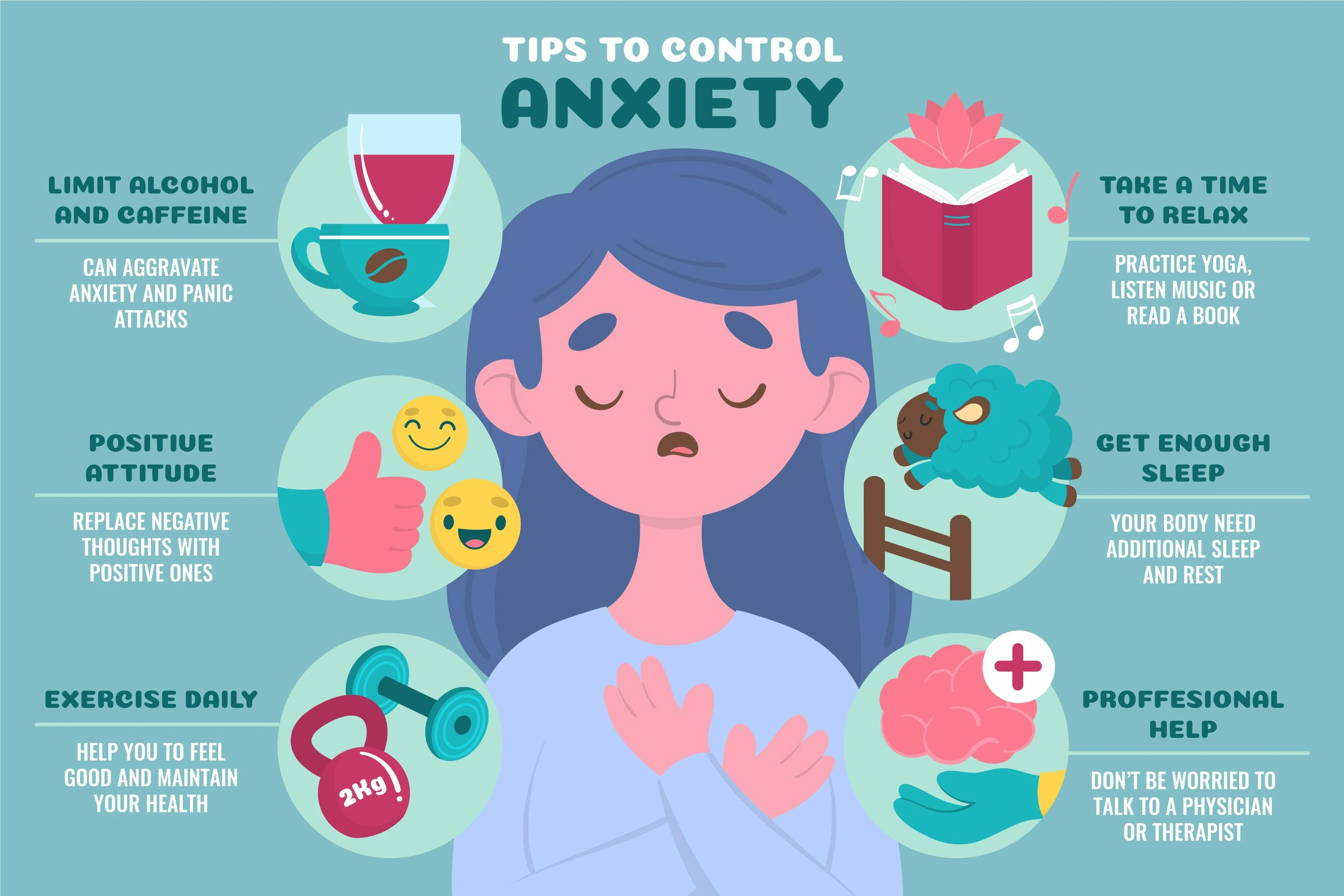
Recovery isn't just about "doing nothing." It's about strategic replenishment:
- Professional Support: CBT (Cognitive Behavioral Therapy) is highly effective for identifying triggers and rebuilding coping mechanisms.
- Active Boundaries: Set firm "off" times for work and digital devices.
- Glymphatic Recovery: Prioritize deep sleep to allow your brain to clear out metabolic waste.
Internal links
If these signs feel all too familiar, these articles will help you understand the "why" and find the "how":
- Why Your Mind Feels Tired Even When You Rest
- Digital Overwhelm: How Too Much Information Drains the Brain
- Your Mental Health Toolkit: Apps, Chatbots & Digital Support
The Bottom Line
Mental fatigue is a biological signal, not a failure of character. Recognizing these signs early is the difference between a brief reset and a long-term crisis. Listen to your brain—it’s the only one you have.
MindWaves is a space for clarity and conscious living. No ads, no fluff.
If this article helped you identify a warning sign, consider supporting the project ☕

— Jericho.